
Let's start with the honest part
SSRIs work by keeping serotonin in your system longer. That's great for your mood. It's also why orgasm gets harder, arousal takes longer to build, and the whole pleasure response feels muted. This isn't you failing. It's not the medication failing either. It's basic neurobiology, and it's temporary.
The tricky part is that most people don't talk about this side effect, so you're sitting there wondering if something's permanently broken, when actually you just need to adjust your approach.
What SSRIs actually do to arousal
SSRIs delay orgasm by affecting serotonin signaling in the brain regions that control sexual response. The same mechanism that helps your mood also dampens the neurotransmitters that trigger arousal and orgasm. You might notice:
- Arousal takes 15-30 minutes instead of 5
- Orgasm either comes late or doesn't come at all
- The sensation feels more distant, less intense
- Your body responds to stimulation, but there's less urgency
This usually peaks around weeks 2-6 after starting the medication, then often improves as your body adjusts. Some people see significant recovery by week 12. Others find a new baseline that's different but workable.
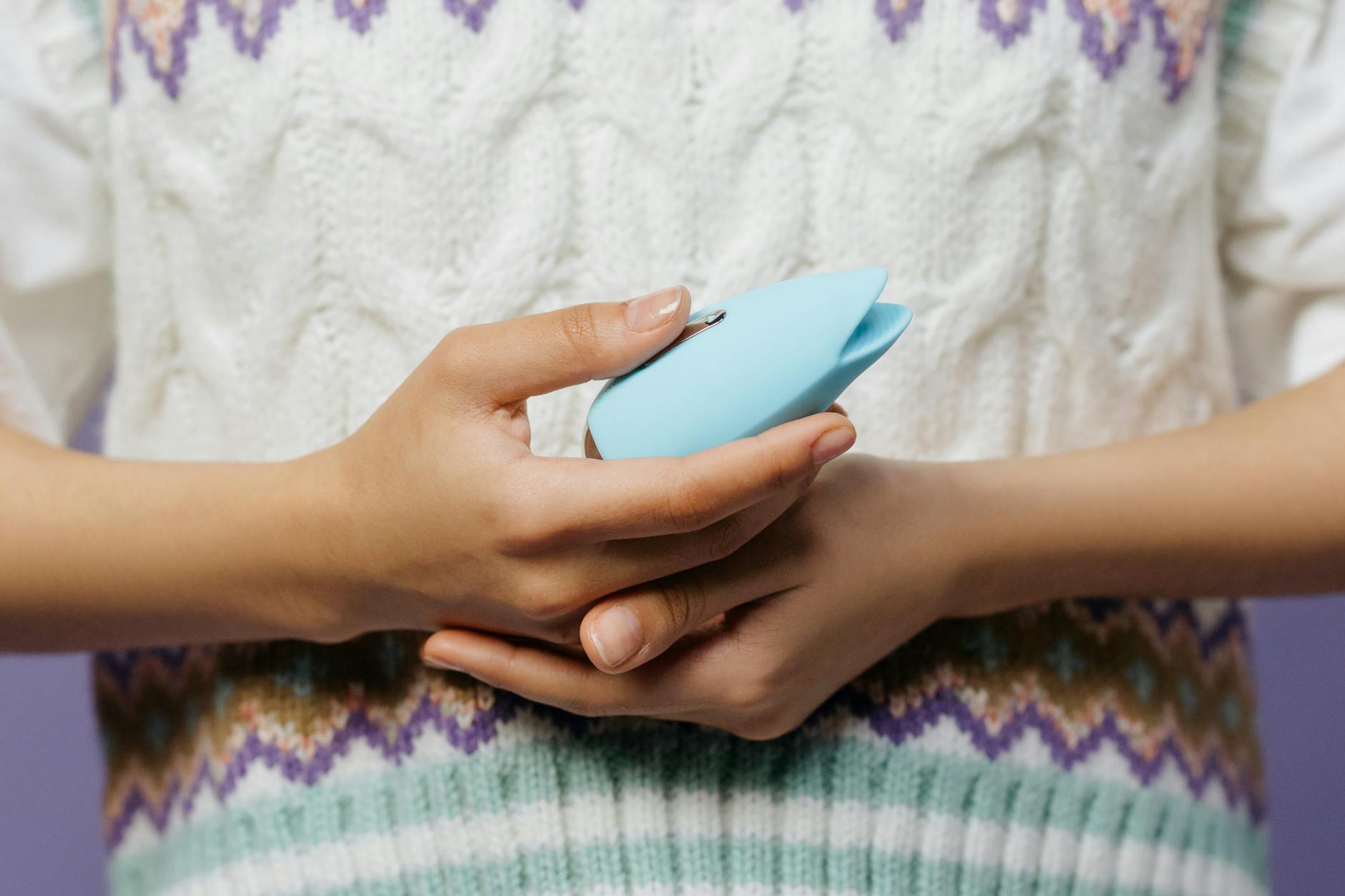
Photo by cottonbro studio on Pexels
Why lemon clitoral vibrators actually help
Here's where things get interesting. Because SSRIs flatten sensation, the precision of air-suction stimulation works better than traditional vibration. A lemon vibrator like The Lem uses gentle suction that creates deep, sustained stimulation to the clitoris without relying on the quick sensation your medication has dulled.
This matters because:
The stimulation is consistent. You're not chasing a feeling that's fading. Suction creates a continuous sensation that builds even when your baseline arousal is low.
It bypasses the pressure-sensitivity problem. Many people on SSRIs find that direct friction vibration feels numbing or even slightly uncomfortable. Suction avoids this by working on nerve clusters differently than traditional vibrators.
The orgasm pathway is more direct. When arousal is slow, you need stimulation that actually compounds over time rather than just providing constant sensation. Lemon clitoral vibrators excel at this.
The timeline of adjustment
Weeks 1-2: Numbness peaks. Everything feels muted. This is when people panic and assume it's permanent.
Weeks 3-8: Slow improvement. You might notice arousal building again, though it's slower than before. This is when trying The Lem makes the most difference because you're no longer fighting complete flatness.
Weeks 8-12: Most people see significant recovery. Your body is adapting, and the medication benefit is stabilizing.
Beyond 12 weeks: Some people return to baseline. Others find a new normal that's slightly different but acceptable. A small percentage have persistent sexual side effects and may need to discuss dosage or switching medications with their doctor.
How to use a lemon vibrator during the adjustment window
Three things help:
Start with lower intensity. Because your sensation is muted, you might assume you need maximum power. Actually, lemon vibrators work better at patterns 2-3 initially. Your nerves will respond, but they're doing it more subtly. Trust the progression.
Build in longer warm-up time. You're not broken, just slower. Budget 20-30 minutes of foreplay instead of 10. This isn't punishment. It's actually often more connected time with a partner, or more intentional solo exploration for yourself.
Don't aim for the orgasm. This sounds backwards but it works. When you're on SSRIs and chasing climax, you create pressure that makes everything harder. Instead, use The Lem to build sensation without a deadline. Orgasm often happens when you're not expecting it.
The relationship piece no one mentions
If you have a partner, here's what they need to know: your body changing has nothing to do with them or your desire for them. This is medication biochemistry, not relationship health. The worst thing you can do is make them responsible for your pleasure right now.
The best thing you can do is separate two conversations. Conversation one: "I'm on a new medication that's affecting how my body responds. It's not permanent and it's not about us." Conversation two: "Here's what actually helps me right now" (longer warm-up, lemon clitoral vibrators, patience, no performance pressure).
Many couples find this transition actually deepens intimacy because it forces you to talk explicitly about what works instead of relying on old patterns.
When to talk to your doctor
If you're still experiencing significant sexual side effects after 12-16 weeks, bring it up. You have options:
Dose adjustment. Sometimes a slightly lower dose keeps the mood benefit while reducing sexual side effects.
Switching SSRIs. Different SSRIs affect sexual function differently. Sertraline tends to be worse than paroxetine. Escitalopram falls in the middle. Your doctor can strategically switch if the side effect is genuinely impacting quality of life.
Adding a medication. Bupropion is sometimes added to SSRIs specifically to counteract sexual side effects. It works for some people.
Timing. Some people take their SSRI at night instead of morning, which shifts the peak medication level away from their typical intimate time.
Don't suffer silently. This is a real side effect, and your doctor has heard this conversation before.
The adjustment is temporary, even when it doesn't feel like it
Your brain is rewiring its serotonin systems right now. Your pleasure response is a bit numb, but that numbness is often what's helping your mood stabilize. The medication is doing its job. Your body just needs time to find a new rhythm.
For many people, using The Lem during this window actually accelerates adjustment because you're not fighting the numbness with friction vibrators. You're working with your neurochemistry instead of against it.
Your pleasure matters. Taking care of your mental health matters. These things aren't in conflict. They just need different strategies during the first few weeks.
People also ask
How long do SSRI sexual side effects usually last?
For most people, 4-12 weeks. Your body adapts to the medication as it circulates more predictably through your system. Some people see improvement much faster. A small percentage experience persistent effects and need to discuss medication changes with their doctor. There's no way to predict which timeline you'll be on, which is why the adjustment period is frustrating.
Will my sexual function return completely after I adjust?
Usually yes, though "completely" varies. Many people return to their baseline. Some notice their sexual response is slightly different but equally satisfying. A few find the dampening effect persists and need to explore other medication options. The key is that most people do regain full function or close to it, so the flatness you're feeling right now is likely temporary.
Why do lemon clitoral vibrators work better than regular vibrators during SSRI adjustment?
Because your sensation is muted, you need stimulation that compounds and deepens rather than just providing constant buzzing. Suction vibrators like The Lem create building pressure on nerve clusters, which works better when your baseline arousal is low. They also tend to feel less numb-inducing than direct friction vibration, which many people on SSRIs find uncomfortable.
Can I use a lemon vibrator if I'm on multiple medications?
Sexual side effects are cumulative, so yes, using The Lem is even more helpful if you're on multiple medications that affect arousal. The precision of a lemon clitoral vibrator means you're getting direct stimulation without relying on the baseline arousal that multiple medications have dampened. Always check with your doctor about any medication combinations, but there's nothing about lemon vibrators that interferes with SSRIs or other psychiatric medications.
Should I tell my doctor I'm using a vibrator?
Yes, if it comes up naturally. You don't need to volunteer it, but if your doctor is discussing sexual side effects and asking what helps, mentioning that you're using a clitoral vibrator is useful information. It helps them understand your situation better and might affect whether they suggest medication changes or adjustments.
What if I never had strong sexual response before and SSRIs made it worse?
Then you might actually discover better response as your body adjusts. Many people with long-standing low libido or anorgasmia find that once they adjust to SSRIs, their sexual response actually improves slightly because their anxiety or depression (which was blocking pleasure) is now treated. If this is your situation, patience through the first 8-12 weeks is especially important.
Sources
Hoffman, B. L., et al. "Selective serotonin reuptake inhibitors and sexual dysfunction in women." American Family Physician, 2019.
Gartlehner, G., et al. "Sexual dysfunction and depression: systematic review of epidemiology, adverse effects, and treatment." Journal of Sexual Medicine, 2015.
Basson, R., et al. "Definitions of women's sexual dysfunction reconsidered." Journal of Psychosomatic Obstetrics and Gynaecology, 2003.